Boost efficiency, reduce costly errors, and gain real-time visibility across your logistics operations with advanced digital solutions. Discover how automation is helping Australian businesses streamline freight processes, improve financial accuracy, and scale operations with confidence in an increasingly competitive and fast-moving supply chain environment.
The logistics industry in Australia continues to evolve as businesses face growing pressure to deliver faster, reduce costs, and maintain accuracy across complex supply chains. As shipment volumes increase and customer expectations rise, relying on manual processes becomes inefficient and risky. Errors in freight handling, invoicing, and tracking can quickly lead to financial losses and operational delays.
To stay competitive, organisations are adopting modern digital solutions that simplify operations and provide better control over logistics processes. One of the most critical areas for improvement is invoice management, where discrepancies can significantly impact profitability. The adoption of AI freight invoice auditing allows businesses to automate validation, detect inconsistencies in real time, and ensure accurate financial records without relying on time-consuming manual checks.
The Rise of Smart Logistics Technology
Digital transformation has become essential in modern logistics. Businesses are moving towards intelligent systems that automate repetitive tasks, reduce human error, and provide actionable insights. These technologies not only improve efficiency but also enable organisations to make better decisions based on real-time data.
Automation ensures that every stage of the freight process is optimised, from booking shipments to final delivery. By reducing reliance on manual intervention, businesses can streamline workflows and maintain consistent accuracy across operations.
Improving Financial Accuracy in Freight Operations
Freight invoicing is often one of the most complex aspects of logistics management. With multiple carriers, varying rates, and high shipment volumes, errors can easily occur. Automated auditing systems address this challenge by cross-checking invoices against shipment data and agreed pricing structures.
This ensures that businesses only pay for what is accurate, eliminating overcharges and reducing disputes. Improved financial accuracy leads to better budgeting, stronger supplier relationships, and increased trust across the supply chain.
Enhancing Visibility and Control
Visibility is a key driver of success in logistics. Businesses need access to real-time information about shipments, costs, and performance to make informed decisions. Advanced platforms provide end-to-end visibility, allowing organisations to monitor operations and respond quickly to any disruptions.
With better visibility, companies can identify inefficiencies, optimise routes, and improve delivery timelines. This level of control is essential for maintaining high service standards and meeting customer expectations.
Integration for Seamless Operations
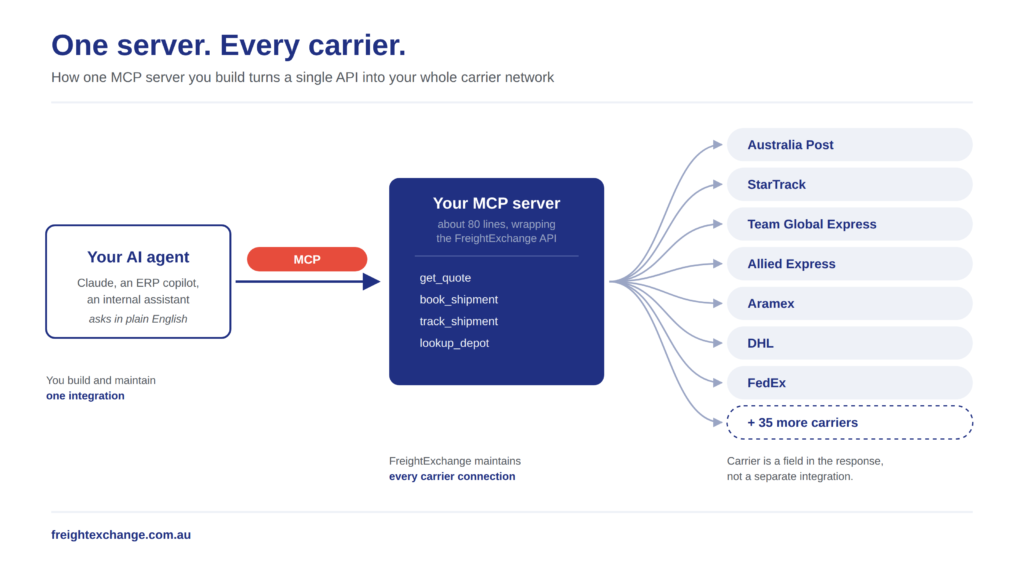
Modern logistics systems are designed to integrate with existing business tools, creating a unified ecosystem that supports efficient operations. Integration eliminates data silos and ensures that all departments have access to accurate, up-to-date information.
This connected approach improves collaboration, reduces duplication of effort, and enhances overall productivity. Businesses can operate more efficiently while maintaining consistency across all logistics processes.
Advanced Automation for Large-Scale Operations
As organisations grow, managing logistics becomes increasingly complex. Investing in the best shipping automation software for large businesses enables companies to handle high shipment volumes with ease while maintaining accuracy and efficiency. These solutions offer advanced features such as automated workflows, real-time tracking, and detailed reporting.
Such tools are designed to scale alongside business growth, providing flexibility and adaptability. This ensures that companies can continue to optimise their operations while expanding into new markets or increasing their service capacity.
The Role of Digital Freight Platforms
Digital platforms are transforming how businesses manage logistics by providing a centralised system for all freight activities. These platforms simplify processes, improve visibility, and enable better coordination between stakeholders.
Solutions like FreightExchange. bring together automation, data insights, and real-time tracking in one place. This allows businesses to streamline operations, reduce administrative workload, and maintain greater control over their logistics performance.
Delivering Better Customer Experiences
Customer expectations in logistics have evolved significantly, with a strong focus on speed, transparency, and reliability. Automation plays a crucial role in meeting these expectations by ensuring consistent performance across all operations.
With automated systems, businesses can provide accurate delivery updates, minimise delays, and maintain clear communication with customers. This leads to improved satisfaction and stronger long-term relationships.
Data-Driven Logistics Strategies
Data has become a powerful tool in logistics management. Automated systems collect and analyse large volumes of data, providing insights that help businesses improve performance and reduce costs.
By leveraging data analytics, organisations can identify trends, optimise routes, and make informed decisions that enhance efficiency. This data-driven approach ensures continuous improvement and long-term success.
Preparing for the Future of Logistics
The future of logistics will be shaped by innovation, automation, and advanced analytics. Businesses that adopt these technologies early will be better positioned to adapt to changing market conditions and maintain a competitive edge.
Emerging trends such as artificial intelligence, predictive analytics, and enhanced system integration will further improve efficiency and reduce operational risks. Staying ahead of these trends is essential for long-term growth.
Building Scalable and Resilient Supply Chains
Scalability and resilience are critical for businesses operating in dynamic environments. Automated logistics systems provide the flexibility needed to handle increased demand while maintaining efficiency and accuracy.
Resilient supply chains are better equipped to manage disruptions, respond to changes, and maintain consistent performance. By investing in modern technology, businesses can build a strong foundation for sustainable growth.
Conclusion: Driving Growth Through Innovation
As logistics continues to evolve, businesses must embrace digital transformation to remain competitive. Automation, integration, and data-driven insights are essential for improving efficiency and reducing costs. By adopting advanced solutions, organisations can streamline operations and deliver better outcomes for their customers.
In this landscape, implementing a reliable freight platform in Australia allows businesses to centralise operations, enhance visibility, and gain greater control over their logistics processes. This approach supports long-term success and ensures that organisations can thrive in a rapidly changing industry.
Frequently Asked Questions
1. What is logistics software for shippers, and how does it work?
Logistics software for shippers is a digital solution that helps businesses manage freight operations, track shipments, and automate invoicing processes. It improves efficiency by providing real-time visibility and reducing manual tasks.
2. How can logistics software for shippers reduce costs?
By automating processes and improving accuracy, logistics software for shippers eliminates errors such as duplicate charges and overpayments, leading to better cost control and improved profitability.
3. Is logistics software for shippers suitable for growing businesses?
Yes, logistics software for shippers is scalable and can support businesses as they expand, helping them manage increased shipment volumes without adding complexity.
4. Can logistics software for shippers integrate with existing systems?
Advanced logistics software for shippers solutions integrates seamlessly with accounting tools, warehouse systems, and other platforms, ensuring smooth operations and consistent data flow.
5. What features should businesses look for in logistics software for shippers?
Key features include real-time tracking, automated invoicing, reporting tools, and system integration, all of which help improve efficiency and support better decision-making.