Transforming Logistics Through Intelligent Automation
The logistics industry is evolving quickly, and businesses are under constant pressure to deliver faster, reduce costs, and maintain accuracy across every shipment. Customers expect reliable delivery timelines and real-time updates, which means companies need smarter systems to stay competitive. Automation has become a practical solution for businesses looking to improve efficiency while keeping operations simple and scalable.
In the past, logistics relied heavily on manual processes such as spreadsheets, emails, and phone calls. While these methods worked for smaller operations, they often led to delays, errors, and a lack of visibility as businesses grew. Today, companies are moving towards integrated digital solutions that connect every stage of the shipping process. This shift helps improve coordination, reduce manual work, and provide better control over logistics operations.
A key innovation driving this transformation is the best shipping automation software, which allows businesses to automate tasks like order processing, label generation, and shipment tracking. These tools help reduce operational costs, minimise errors, and improve delivery performance. By adopting automation, businesses can enhance productivity and create a smoother experience for both their teams and customers.
Improving Efficiency with Smart Logistics Technology
Efficiency is essential in logistics, especially as order volumes increase and customer expectations continue to rise. Automation tools help businesses streamline their workflows by reducing repetitive tasks and improving overall accuracy. This allows teams to focus on more strategic work instead of spending time on manual data entry and coordination.
Modern logistics systems integrate with inventory management and enterprise platforms, ensuring seamless data flow across operations. When systems are connected, businesses gain better visibility into their processes and can make quicker, more informed decisions. This level of efficiency is critical for maintaining smooth operations and avoiding unnecessary delays.
Another major benefit of automation is error reduction. Manual processes can lead to incorrect data, missed shipments, or delays. By automating these tasks, businesses can improve consistency and reliability, which ultimately leads to better customer satisfaction and fewer disruptions.
Scaling Operations for Business Growth
As businesses expand, managing logistics becomes more complex. Increased order volumes, multiple shipping partners, and diverse delivery requirements can create operational challenges. Without the right tools, scaling can lead to inefficiencies and higher costs.
Automation platforms are designed to support growth by handling increased demand without compromising performance. Whether businesses are entering new markets or dealing with seasonal spikes, these systems provide the flexibility needed to adapt quickly. This ensures that operations remain efficient even as the business grows.
At the core of this capability is shipping automation software, which simplifies logistics management and improves operational performance. It enables businesses to automate key processes, optimise shipping decisions, and maintain consistency across all operations. With the right system in place, companies can scale confidently while delivering high-quality service.
Enhancing Visibility and Customer Experience
Customer expectations have changed significantly, with a strong demand for transparency and real-time updates. Businesses need to provide accurate tracking information and timely communication to meet these expectations. Automation tools make this possible by offering complete visibility across the shipping process.
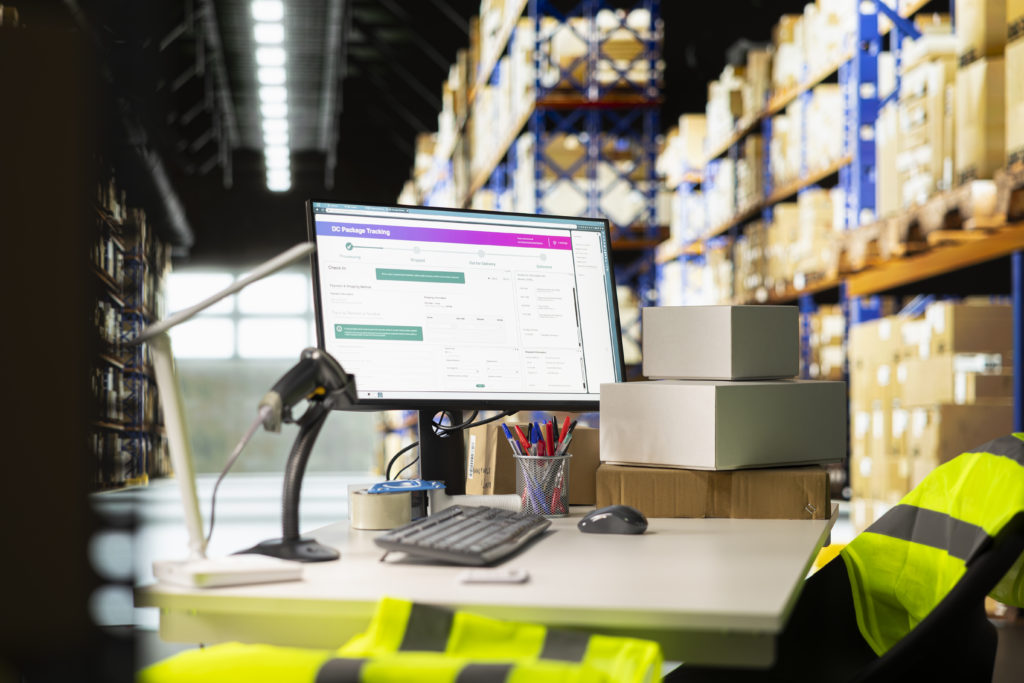
Real-time tracking allows businesses to monitor shipments at every stage and quickly address any issues that arise. This proactive approach helps prevent delays and ensures smoother delivery operations. It also allows businesses to keep customers informed, which builds trust and improves overall satisfaction.
When customers receive accurate updates and reliable service, they are more likely to return and recommend the business to others. In a competitive market, delivering a consistent and transparent experience can be a major advantage.
Using Data to Drive Better Decisions
Data plays a crucial role in optimising logistics operations. Automation systems collect valuable data that businesses can use to analyse performance and identify areas for improvement. This data-driven approach helps companies refine their processes and achieve better results.
By tracking metrics such as delivery times, shipping costs, and carrier efficiency, businesses can gain insights into their operations. These insights enable smarter decision-making and help reduce unnecessary expenses. Over time, this leads to improved efficiency and stronger overall performance.
Predictive analytics is another powerful feature of automation. By analysing historical data, businesses can anticipate demand and plan accordingly. This helps prevent disruptions and ensures that resources are allocated effectively.
Solutions from providers like FreightExchange support businesses in leveraging these insights by offering advanced tools that simplify logistics and improve operational outcomes.
Innovation Shaping the Future of Logistics
The logistics sector continues to benefit from technological advancements such as artificial intelligence and machine learning. These innovations are making automation systems more intelligent and efficient, allowing businesses to optimise their operations even further.
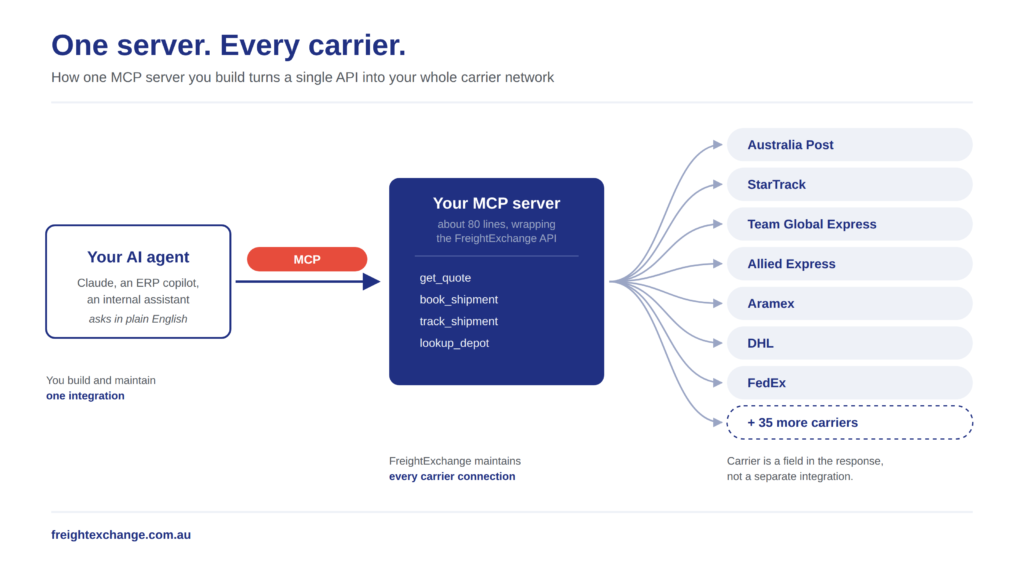
For example, advanced systems can automatically select the most suitable carrier based on cost, delivery time, and reliability. This ensures that each shipment is handled in the most efficient way possible. Automation also allows businesses to respond quickly to unexpected changes, maintaining flexibility in a dynamic environment.
As technology continues to evolve, businesses that adopt innovative solutions will be better positioned to succeed. Staying ahead of industry trends is essential for maintaining competitiveness and achieving long-term growth.
Building a Future Ready Logistics Strategy
To remain competitive, businesses must invest in technology that supports long term growth and efficiency. A future-ready logistics strategy focuses on automation, scalability, and continuous improvement. By adopting modern tools, companies can create more resilient and adaptable operations.
Automation is not just about implementing new systems. It involves rethinking processes and embracing a more efficient way of working. Businesses that are open to innovation and willing to improve their workflows will see the greatest benefits.
Collaboration is also important for success. By working with reliable partners and using integrated platforms, businesses can create a more connected and efficient supply chain. This leads to better coordination, improved performance, and stronger results.
Conclusion: Embracing the Future of Logistics
The logistics industry is moving towards a more automated and technology-driven future. Businesses that invest in the right tools can improve efficiency, reduce costs, and deliver better customer experiences. Automation is no longer optional but a key factor in staying competitive.
A freight management platform plays a vital role in this transformation by integrating logistics processes into a single system. It provides businesses with the visibility and control needed to manage operations effectively and support growth. By embracing automation and innovation, companies can build a strong foundation for long-term success.
Frequently Asked Questions
1. What is shipping automation, and why is it important?
Shipping automation uses technology to manage logistics processes such as order fulfilment, tracking, and carrier selection. It improves efficiency, reduces manual work, and enhances accuracy.
2. How does automation improve delivery performance?
Automation ensures real-time tracking, reduces errors, and speeds up processing times, leading to faster and more reliable deliveries.
3. Can small businesses use automation tools effectively?
Yes, automation helps small businesses streamline operations, reduce costs, and compete with larger companies by improving service quality.
4. What features should businesses look for in logistics software?
Key features include real-time tracking, system integration, analytics, and support for multi carrier shipping software to improve flexibility and efficiency.
5. How can businesses start implementing automation?
Businesses can begin by evaluating their current processes, identifying inefficiencies, and gradually adopting automation tools that align with their operational needs.