The Evolution of Freight and Logistics Management
The logistics industry has come a long way over the past decade. Businesses across Australia and beyond are now managing higher shipment volumes, broader delivery networks, and tighter deadlines than ever before. With customer expectations rising, companies are under pressure to deliver faster while keeping costs under control.
Not too long ago, freight operations were handled using spreadsheets, emails, and a fair bit of back-and-forth communication. While that approach worked for smaller setups, it does not quite cut it once operations start to grow. As shipment volumes increase, so do the chances of delays, miscommunication, and costly errors.
That is where Shipping Automation Software comes into play. By automating everyday logistics tasks and bringing everything into one system, businesses can streamline operations, reduce manual work, and stay on top of their shipping processes without the usual stress.
Why Traditional Logistics Methods No Longer Work
Relying on manual processes in today’s logistics environment can slow things down significantly. When teams are entering data by hand or switching between multiple systems, mistakes are bound to happen. These errors can lead to delays, incorrect shipments, and unnecessary costs.
Another issue is the lack of visibility. Without a centralised system, it can be difficult to track shipments in real time or understand how logistics operations are performing. This makes it harder to respond quickly when something goes wrong.
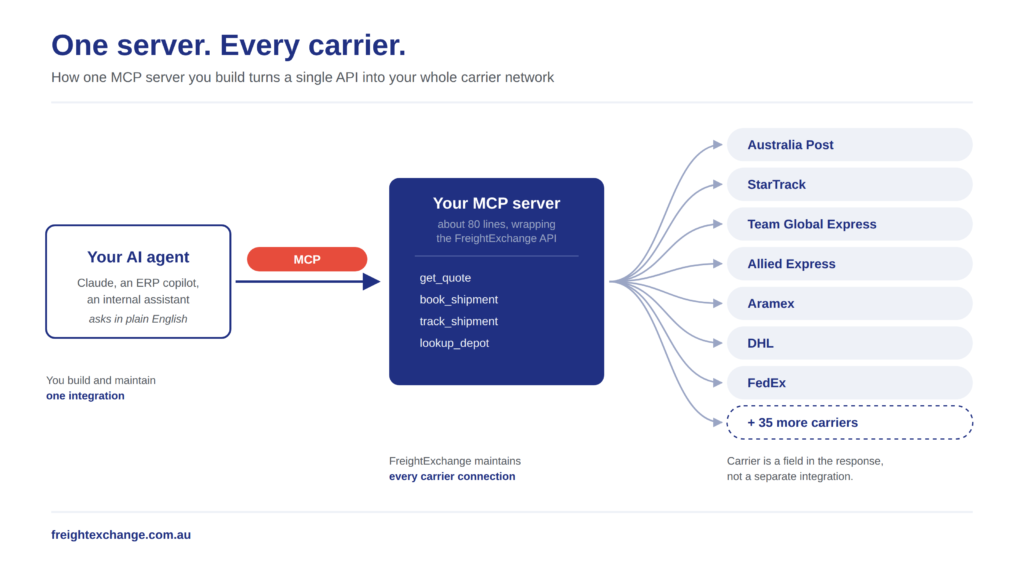
Businesses also face challenges when working with multiple carriers. Each one may have different systems, pricing, and processes, which can make coordination more complicated than it needs to be. Without the right tools, managing all of this can become time-consuming and inefficient.
The Role of Automation in Modern Logistics
Automation is quickly becoming a must-have in logistics. It allows businesses to handle repetitive tasks more efficiently, reducing both time and effort. From booking shipments to generating documents and sending updates, automation helps keep things running smoothly.
One of the biggest benefits of automation is improved accuracy. Since data is processed digitally, there is less chance of human error. This leads to more reliable operations and fewer disruptions across the supply chain.
Automation also supports business growth. As shipment volumes increase, automated systems can manage the workload without requiring additional manual input. This makes it easier for businesses to scale without compromising on service quality.
Enhancing Efficiency With Integrated Logistics Systems
As logistics operations become more complex, having everything in one place makes a big difference. Integrated systems allow businesses to manage shipments, track deliveries, and handle financial processes without jumping between multiple tools.
Right in the middle of this shift, many organisations are adopting a Freight Management Platform to bring their logistics operations together. These platforms provide a central hub where businesses can manage carriers, monitor shipments, and analyse performance with ease.
Solutions like those offered by FreightExchange show how effective these platforms can be. By connecting businesses with multiple carriers and simplifying processes, they help improve efficiency while reducing the usual operational headaches.
Improving Visibility and Smarter Decision Making
Visibility is one of the biggest advantages of modern logistics technology. With real-time tracking, businesses can see exactly where their shipments are at any given moment. This helps identify delays early and take action before they turn into bigger issues.
Having access to accurate data also supports better decision-making. Businesses can review their shipping performance, identify trends, and make changes that improve efficiency and reduce costs.
Clear visibility also improves communication across teams. When everyone has access to the same information, it becomes easier to stay aligned and respond quickly to any challenges.
The Future of Logistics Technology
The future of logistics is looking more advanced than ever. With technologies like artificial intelligence and data analytics continuing to evolve, businesses will have even better tools to manage their operations.
In the years ahead, logistics systems will be able to predict demand, optimise routes, and flag potential issues before they happen. This will allow businesses to stay ahead of disruptions and maintain consistent performance.
Companies that invest in modern logistics solutions now are setting themselves up for long-term success. By moving away from manual processes and embracing digital tools, they can adapt more easily to changing market conditions.
Building a Strong and Scalable Logistics Strategy
Creating a strong logistics strategy is all about using the right mix of technology and processes. Businesses that continue to rely on outdated methods often struggle to keep up as demand increases.
By adopting modern solutions, companies can streamline operations, improve accuracy, and gain better control over their supply chains. This leads to faster deliveries, reduced costs, and improved customer satisfaction.
A well-structured approach to logistics focuses on efficiency, visibility, and continuous improvement. Businesses that take this approach are better prepared to handle growth and stay competitive in a fast-moving market.
As supply chains continue to expand, organisations will rely more on advanced systems like a Freight Management Platform to manage operations effectively and maintain long-term success.
Frequently Asked Questions
1. What Is How To Audit Freight Invoices?
How to Audit Freight Invoices means reviewing freight invoices carefully to ensure all charges are accurate and match agreed rates. This helps businesses avoid overpaying and maintain proper financial control.
2. What Is Shipping Automation Software?
Shipping automation software is a digital tool that helps businesses automate tasks such as booking shipments, generating labels, and tracking deliveries, making logistics faster and more efficient.
3. What Is a Freight Management Platform?
A freight management platform is a central system that allows businesses to manage all logistics operations, including shipments, carriers, and performance tracking, in one place.
4. Why Is Automation Important in Logistics?
Automation reduces manual work, improves accuracy, and helps businesses handle larger volumes of shipments without increasing complexity.
5. How Can Businesses Improve Logistics Efficiency?
Businesses can improve efficiency by using digital tools, analysing data, and streamlining processes to reduce delays, lower costs, and improve overall performance.