The Changing Landscape of Freight in Australia
Australia’s freight and logistics sector is evolving rapidly, shaped by increasing customer expectations, rising fuel costs, and the complexity of nationwide distribution. Businesses are under growing pressure to deliver faster, reduce operational costs, and maintain transparency across their supply chains. Whether it’s moving goods across major cities like Sydney and Melbourne or reaching regional and remote areas, logistics providers are constantly seeking smarter ways to optimise their operations. In this environment, technology is no longer a luxury; it is a necessity.
Modern logistics demands a seamless integration of processes, data, and communication. Companies that rely on outdated systems or manual coordination often find themselves struggling with inefficiencies, delays, and limited visibility. As competition intensifies, adopting advanced digital tools becomes essential for businesses that want to remain agile and competitive in the Australian market.
Embracing Digital Transformation in Logistics
Digital transformation has become a cornerstone of success in freight management. From real-time tracking to automated workflows, technology enables businesses to gain better control over their operations. It allows logistics managers to make informed decisions based on accurate data, reduce manual errors, and improve overall efficiency.
In the third paragraph, it’s important to highlight how solutions like TMS software Australia are playing a critical role in streamlining freight operations. These systems centralise data, automate scheduling, and provide insights that help businesses optimise routes and reduce costs. By leveraging such tools, companies can enhance service delivery while maintaining a strong focus on operational efficiency.
The adoption of digital tools also improves collaboration between stakeholders, including shippers, carriers, and customers. With better communication and visibility, businesses can respond quickly to disruptions and maintain a consistent level of service. This level of adaptability is particularly important in Australia, where geographical challenges can significantly impact logistics planning.
Why Efficiency Matters More Than Ever
Efficiency in freight management is not just about saving time; it is about creating a sustainable and scalable operation. As businesses grow, their logistics networks become more complex, requiring better coordination and smarter resource allocation. Inefficient processes can lead to increased costs, missed deadlines, and dissatisfied customers.
By investing in the right technology, businesses can streamline their operations and eliminate unnecessary steps. Automation reduces the reliance on manual processes, allowing teams to focus on strategic tasks rather than routine administration. This shift not only improves productivity but also enhances overall business performance.
In Australia’s competitive logistics landscape, efficiency can be a key differentiator. Companies that can deliver faster, more reliable services are more likely to build strong relationships with their customers and gain a competitive edge in the market.
The Role of Technology in Carrier Coordination
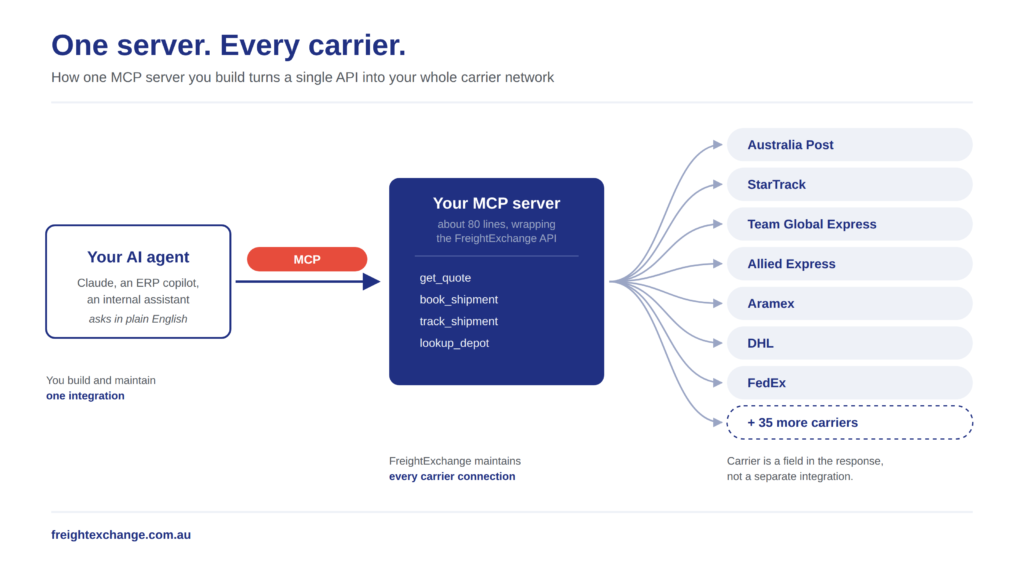
One of the biggest challenges in logistics is coordinating multiple carriers effectively. Each carrier may have different capabilities, pricing structures, and service levels, making it difficult to manage them all efficiently. Without a centralised system, businesses often struggle to maintain consistency and control.
Technology provides a solution by offering a unified platform where all carrier-related activities can be managed in one place. This includes booking shipments, tracking deliveries, and analysing performance metrics. With access to real-time data, businesses can make better decisions about which carriers to use and how to optimise their logistics operations.
Freight Exchange is one example of a platform that helps businesses simplify carrier management. By providing a centralised system for coordinating shipments, it enables companies to improve efficiency and reduce administrative workload. This kind of solution is particularly valuable in Australia, where logistics networks often involve a mix of local and national carriers.
Improving Visibility Across the Supply Chain
Visibility is a critical component of effective freight management. Without it, businesses are left in the dark about the status of their shipments, making it difficult to respond to delays or disruptions. Modern technology solutions provide real-time tracking and reporting, giving businesses complete visibility over their operations.
This level of transparency allows logistics managers to identify potential issues before they become major problems. It also enables better communication with customers, who increasingly expect accurate and timely updates about their deliveries. In a market where customer experience is a key differentiator, visibility can play a significant role in building trust and loyalty.
As businesses continue managing multiple carriers efficiently, having a clear view of all shipments becomes even more important. It ensures that operations run smoothly and that any issues can be addressed quickly and effectively.
Enhancing Customer Experience Through Innovation
Customer expectations in the logistics industry have evolved significantly in recent years. Today’s customers demand faster deliveries, greater transparency, and more reliable service. Meeting these expectations requires a combination of efficient processes and advanced technology.
By leveraging digital tools, businesses can provide real-time updates, accurate delivery estimates, and seamless communication. This not only improves customer satisfaction but also strengthens brand reputation. In a competitive market like Australia, delivering a superior customer experience can be a powerful way to stand out.
Innovation also enables businesses to adapt to changing market conditions. Whether it is handling increased demand during peak seasons or responding to unexpected disruptions, having the right technology in place allows companies to remain agile and responsive.
The Future of Freight Management in Australia
The future of freight management in Australia is closely tied to technological innovation. As new tools and platforms continue to emerge, businesses will have more opportunities to optimise their operations and improve efficiency. From artificial intelligence to predictive analytics, the possibilities are vast.
Companies that embrace these advancements will be better positioned to navigate the challenges of the logistics industry. They will be able to make data-driven decisions, reduce costs, and deliver better service to their customers. In contrast, those who fail to adapt may find themselves struggling to keep up with the demands of the market.
The integration of advanced systems will also play a key role in sustainability efforts. By optimising routes and reducing fuel consumption, businesses can minimise their environmental impact while maintaining profitability. This is becoming increasingly important as organisations across Australia focus on reducing their carbon footprint.
Choosing the Right Technology for Your Business
Selecting the right technology solution is a critical decision for any logistics business. It requires careful consideration of factors such as scalability, ease of use, and integration capabilities. A well-chosen system can transform operations, while the wrong one can create additional challenges.
Businesses should look for solutions that offer flexibility and can adapt to their specific needs. This includes the ability to integrate with existing systems and support future growth. By taking a strategic approach to technology adoption, companies can ensure that they are making an investment that will deliver long-term value.
Freight Exchange. has positioned itself as a valuable partner for businesses looking to modernise their logistics operations. By providing a platform that simplifies carrier management and enhances visibility, it helps companies achieve greater efficiency and control.
Final Thoughts on Modern Freight Solutions
As the logistics industry continues to evolve, businesses must embrace innovation to stay competitive. Technology is at the heart of this transformation, enabling companies to streamline operations, improve efficiency, and deliver better service. By adopting a comprehensive freight management platform, businesses can gain the tools they need to navigate the complexities of modern logistics and achieve long-term success.
Frequently Asked Questions
1. What is the best TMS for multiple carriers?
The best TMS for multiple carriers is one that offers centralised control, real-time visibility, and seamless integration with various carrier networks. It should simplify coordination, reduce manual tasks, and provide actionable insights to improve efficiency.
2. How does a TMS improve logistics operations?
A TMS improves logistics operations by automating processes, optimising routes, and providing real-time data. This helps businesses reduce costs, enhance efficiency, and deliver better service to customers.
3. Why is visibility important in freight management?
Visibility is important because it allows businesses to track shipments in real time, identify potential issues, and communicate effectively with customers. It ensures smoother operations and better decision-making.
4. WCan small businesses benefit from TMS solutions?
Yes, small businesses can benefit significantly from TMS solutions. These systems help streamline operations, reduce costs, and improve scalability, making it easier for smaller companies to compete in the market.
5. What features should I look for in a TMS?
Key features to look for include real-time tracking, automated workflows, carrier management tools, and data analytics. These capabilities ensure that the system can support efficient and effective logistics operations.