Streamline logistics operations with advanced automation to improve accuracy, reduce manual effort, and enhance visibility across the supply chain. Discover how digital tools are transforming freight processes, helping Australian businesses save time, cut costs, and scale efficiently in a competitive logistics landscape.
Modern logistics demands precision, speed, and adaptability, especially as supply chains grow more complex and customer expectations continue to rise. Businesses across Australia are increasingly shifting towards digital-first operations to streamline freight handling, reduce errors, and improve overall efficiency. From managing invoices to tracking shipments, every aspect of freight operations now benefits from smarter, tech-driven solutions that streamline workflows and improve visibility across the entire supply chain.
Freight reconciliation has long been one of the most time-consuming and error-prone processes in logistics. Manual checks, mismatched invoices, and inconsistent data often lead to delays, disputes, and unnecessary operational costs. As companies scale, these inefficiencies only multiply, making it critical to adopt systems that can bring clarity and control to freight operations without adding extra workload for teams.
The Need to Modernise Freight Operations
To remain competitive, businesses are moving beyond outdated processes and embracing digital transformation in logistics. This is where the ability to automate freight reconciliation becomes a game-changer. By removing manual intervention and relying on automated validation systems, businesses can significantly reduce discrepancies, speed up payment cycles, and improve relationships with carriers and partners. Automation ensures that data is matched accurately, invoices are verified in real time, and financial records remain consistent across systems.
Automation doesn’t just improve speed; it enhances decision-making. With real-time insights and accurate reporting, logistics managers can quickly identify inefficiencies, track spending, and optimise routes or carrier choices. Over time, this leads to measurable cost savings and stronger operational control, especially for businesses managing high shipment volumes across multiple locations.
Driving Efficiency Through Digital Integration
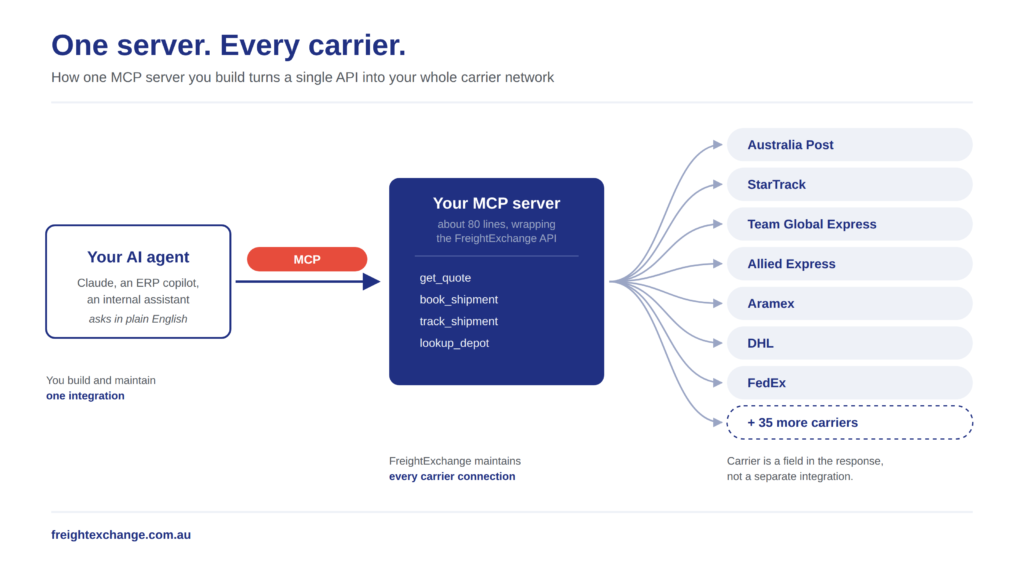
One of the biggest advantages of modern logistics technology is integration. Systems that connect seamlessly with existing enterprise tools allow businesses to centralise their operations without disrupting workflows. Whether it’s accounting software, warehouse management systems, or transport networks, integration ensures that all data flows smoothly across platforms.
This interconnected approach reduces duplication of effort and eliminates the risk of data silos. Teams no longer need to manually input or reconcile data across multiple systems, which not only saves time but also reduces the likelihood of human error. As a result, organisations can maintain a single source of truth for all freight-related activities.
Enhancing Visibility Across the Supply Chain
Visibility is crucial in logistics. Businesses need to know where their shipments are, how much they cost, and whether they’re moving according to plan. Modern digital tools provide end-to-end visibility, allowing stakeholders to monitor shipments in real time and respond quickly to disruptions.
Improved visibility also strengthens accountability. When every transaction and movement is tracked, it becomes easier to identify discrepancies and resolve issues before they escalate. This transparency builds trust between businesses, carriers, and customers, creating a more reliable and efficient supply chain.
Reducing Costs and Improving Accuracy
Cost control remains a top priority for logistics teams. Manual processes often lead to overpayments, duplicate charges, and missed discrepancies, all of which impact the bottom line. Automation addresses these challenges by ensuring that every invoice is checked against agreed rates and shipment data before approval.
By eliminating manual checks and reducing errors, businesses can significantly cut administrative costs. Additionally, automation frees up valuable time for staff, allowing them to focus on more strategic tasks rather than repetitive data entry. Over time, this leads to a more productive workforce and a leaner, more efficient operation.
Midpoint Shift Towards Smarter Tools
As logistics continues to evolve, adopting shipping automation software has become essential for businesses aiming to stay ahead. These solutions offer a comprehensive approach to managing freight operations, from booking and tracking to invoicing and reporting. By automating key processes, businesses can reduce manual workload, improve accuracy, and enhance overall efficiency.
What sets these tools apart is their ability to adapt to different business needs. Whether managing domestic shipments or complex international logistics, automation software provides the flexibility and scalability required to support growth. This adaptability ensures that businesses can continue to optimise their operations as they expand into new markets or handle increased shipment volumes.
The Role of Platforms in Modern Logistics
Beyond individual tools, businesses are increasingly turning to comprehensive platforms that bring all logistics activities into one place. These platforms act as central hubs, enabling seamless coordination between different stakeholders, including carriers, suppliers, and internal teams.
For example, solutions like FreightExchange. Provide businesses with a unified system to manage freight operations efficiently. By offering real-time visibility, automated workflows, and data-driven insights, such platforms help organisations simplify complex logistics processes while maintaining control over costs and performance.
Improving Customer Experience Through Automation
Customer expectations in logistics have never been higher. Clients expect timely deliveries, accurate billing, and clear communication at every stage of the shipment journey. Automation plays a crucial role in meeting these expectations by ensuring consistency and reliability in operations.
When processes are automated, businesses can provide faster updates, reduce delays, and maintain accurate records. This leads to improved customer satisfaction and stronger long-term relationships. In a competitive market, delivering a seamless customer experience can be a key differentiator that sets a business apart.
Data-Driven Decision Making in Logistics
Data is at the heart of modern logistics. Every shipment, invoice, and transaction generates valuable information that can be used to optimise operations. Automated systems collect and analyse this data in real time, providing actionable insights that help businesses make informed decisions.
From identifying cost-saving opportunities to improving route efficiency, data-driven strategies enable businesses to refine their operations continuously. This not only enhances performance but also ensures that companies can adapt quickly to changing market conditions and customer demands.
Preparing for the Future of Freight Management
The logistics industry is constantly evolving, driven by technological advancements and shifting customer expectations. Businesses that embrace automation and digital tools are better positioned to navigate these changes and remain competitive in the long term.
Future trends in logistics will likely focus on greater integration, enhanced predictive analytics, and increased use of artificial intelligence. These advancements will further streamline operations, reduce costs, and improve overall efficiency. By adopting modern solutions today, businesses can lay the foundation for sustained success in the years ahead.
Building Resilient and Scalable Operations
Resilience is a critical factor in logistics, especially amid global disruptions and supply chain uncertainties. Automated systems provide the flexibility and scalability needed to adapt to changing conditions, whether it’s fluctuating demand, new regulations, or unexpected delays.
Scalable solutions ensure that businesses can handle increased volumes without compromising efficiency or accuracy. This is particularly important for growing organisations that need to maintain high performance levels while expanding their operations. By investing in the right technology, businesses can build a robust logistics framework that supports long-term growth.
Conclusion: The Path Forward for Smarter Logistics
As the logistics landscape continues to evolve, businesses must embrace innovation to stay competitive. Automation, integration, and data-driven insights are no longer optional; they are essential components of modern freight management. By leveraging advanced tools and platforms, organisations can streamline operations, reduce costs, and deliver exceptional service to their customers.
In this context, adopting a comprehensive freight management platform allows businesses to centralise their logistics activities, improve visibility, and gain greater control over their operations. This approach not only enhances efficiency but also positions organisations for sustained growth in an increasingly competitive market.
Frequently Asked Questions
1. What is freight management software, and how does it help businesses?
Freight management software is a digital solution that streamlines and optimises logistics operations. It enables businesses to manage shipments, track deliveries in real time, and automate invoicing with improved accuracy. Reducing manual errors and enhancing supply chain visibility, it helps companies operate more efficiently and make informed decisions.
2. How can it improve cost control?
Automating processes such as invoice validation and shipment tracking, it ensures accuracy and eliminates unnecessary expenses like duplicate charges and overpayments. This leads to better financial control and reduced operational costs.
3. Is it suitable for small businesses?
Yes, it is scalable and can be tailored to suit businesses of all sizes. Small businesses benefit from improved efficiency, reduced administrative workload, and better visibility without needing complex systems or large teams.
4. Can it integrate with existing systems?
Most modern solutions are designed to integrate seamlessly with tools like accounting software, warehouse management systems, and enterprise resource planning platforms, ensuring smooth data flow and minimal disruption.
5. What features should businesses look for?
Key features include real-time tracking, automated invoicing, reporting capabilities, and system integration. These ensure efficient operations, accurate data management, and smarter decision-making.